💻 Networking Models: Client-Server vs Peer-to-Peer
📌 Definitions: The Players
Before understanding the architecture, let's define the two main types of computers in a network.
1. Client Computers 👤
- Role: The "Requester".
- Function: Initiates requests for services or resources.
- Hardware: optimized for user interaction (Graphics, IO).
- Example: Your Laptop, Smartphone, or a Web Browser like Chrome.
2. Server Computers 🏢
- Role: The "Provider".
- Function: Listens for requests and provides resources (Files, Web Pages, Data).
- Hardware: Optimized for concurrency, uptime, and storage (RAID, huge RAM).
- Example: A powerful machine running Database software or a Web Server.
🏗️ Networking Models
1. Client-Server Networking (The Standard) 👑
This is the Centralized model used by the Internet and most Corporate networks.
- Architecture: Many Clients connect to a centralized Server.
- Control: Centralized (Security, Backups, Updates happening on Server).
- Scalability: High (but the Server can become a bottleneck).
ASCII Architecture: Client-Server
       [ Client A ]      [ Client B ]      [ Client C ]
            |                 |                 |
            +----------+------+------+----------+
                       |             |
                       v             v
                    (Request)    (Response)
                       |             |
                    [   Central Server   ]
                    ( Database / Files )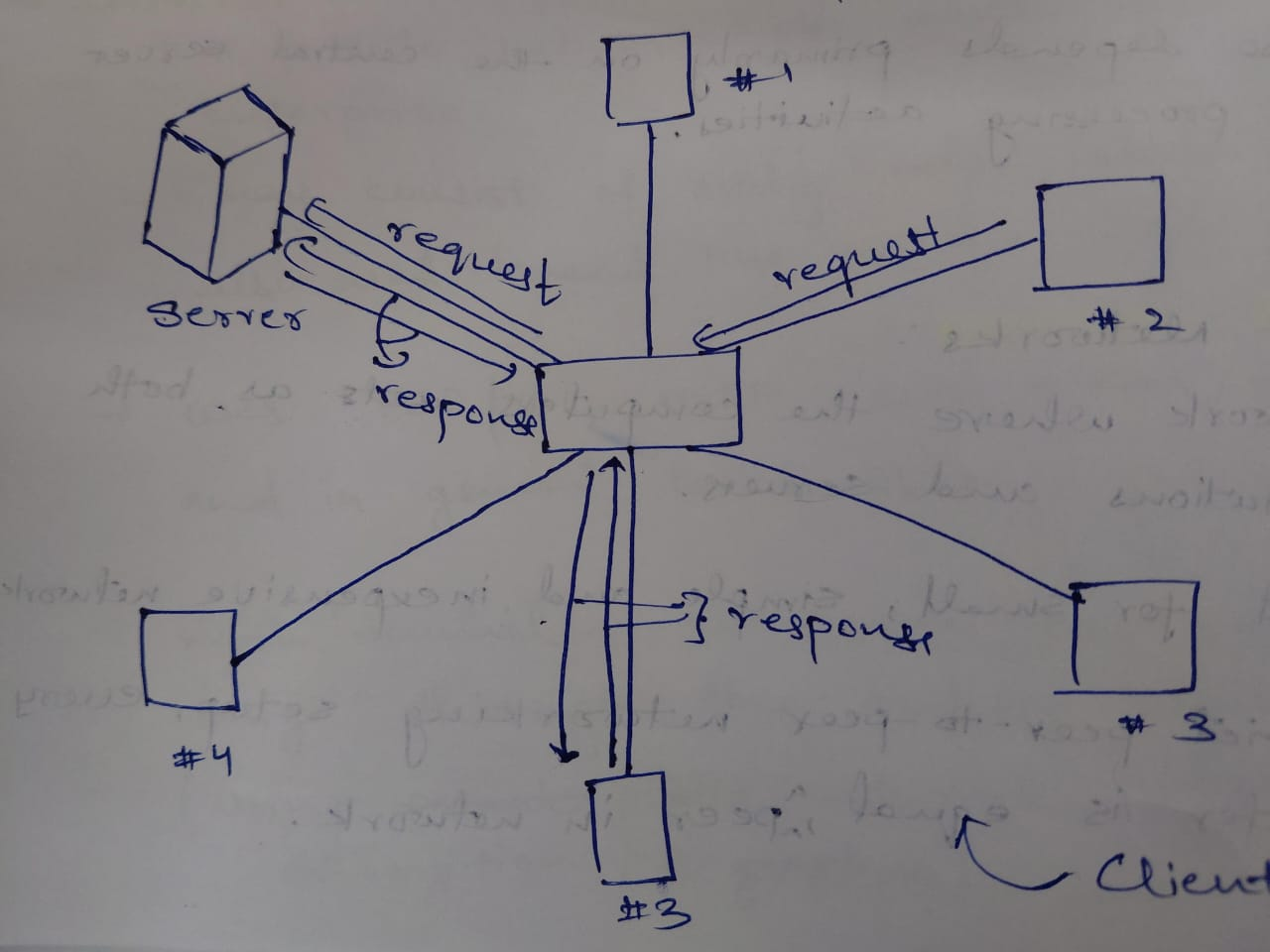
2. Peer-to-Peer (P2P) Networking 🤝
This is the Decentralized model. Every computer is equal.
- Role: Every device is both a Client and a Server simultaneously.
- Control: Decentralized (No central admin, security is up to each user).
- Scalability: Hard to manage as it grows.
- Use Case: Home networks, BitTorrent, Blockchain.
ASCII Architecture: Peer-to-Peer
    [Peer A] ---------------- [Peer B]
       | \                     / |
       |   \                 /   |
       |     \             /     |
       |       \         /       |
    [Peer C] ---------------- [Peer D]

    (A shares files with B)
    (C takes printer access from D)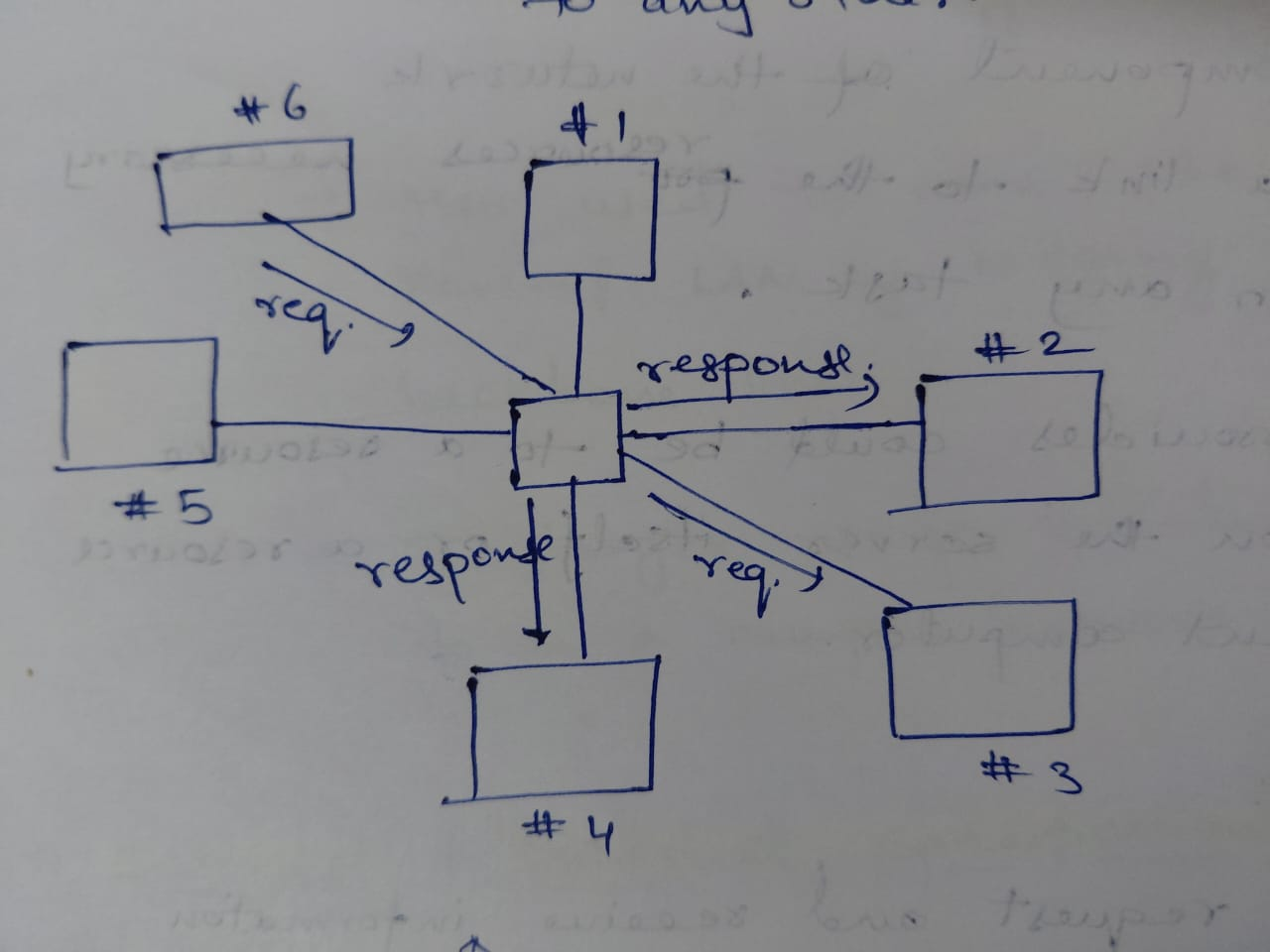
⚖️ Comparison Table
| Feature | Client-Server | Peer-to-Peer (P2P) |
|---|---|---|
| Centralization | Yes (Server is King) | No (Everyone is equal) |
| Cost | High (Expensive Servers) | Low (Uses existing PCs) |
| Security | High (Managed centrally) | Low (Individual responsibility) |
| Performance | High (Dedicated resources) | Variable (Depends on peer) |
| Bottleneck | Single Point of Failure (Server) | No central failure point |
💡 Hinglish Explanation (Classroom)
1. Client-Server (Classroom)
- Teacher (Server): Sirf Teacher ke paas knowledge (Books) hai.
- Students (Clients): Students Teacher se sawal puchte hain, aur Teacher jawab deta hai.
- Control: Agar Teacher absent hai, toh class nahi chalegi.
2. Peer-to-Peer (Group Study)
- Students (Peers): Koi Teacher nahi hai. Sab dost milke padh rahe hain.
- Sharing: Rahul ke paas Maths ki book hai (Server), woh Priya ko deta hai (Client). Priya ke paas Science ke notes hain (Server), woh Rahul ko deti hai (Client).
- Control: Agar Rahul chala gaya, toh sirf Maths ki book jayegi, baaki padhai chalti rahegi.
⚡ Exam Tips for AZ-900
- Azure Context: Cloud Computing is the ultimate implementation of Client-Server networking. You (Client) request resources from Azure Data Centers (Servers).
- P2P: Azure generally doesn't use P2P for core services, but services like Azure Blockchain Service (now retired) relied on it.
- Active Directory: This is the classic example of Client-Server security management.